

Once a brand moves beyond paper and starts printing on fabric, screen printing usually enters the conversation. It’s one of those printing methods that people may not fully understand at first, but they recognise the results immediately.
Screen printing has been around for a long time, and even with newer technologies available today, it remains one of the most trusted ways to print on clothing and merchandise.
How Does Screen Printing Work?
At its core, screen printing works by pushing ink through a fine mesh screen onto fabric. Each colour in a design is applied separately, layer by layer. This process might sound simple, but it’s exactly what gives screen printing its signature look: bold colours, solid coverage, and prints that don’t easily wear out. Because the ink sits firmly on the fabric, the final result feels strong, intentional, and built to last.
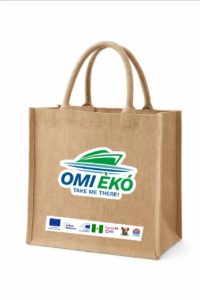
This is why screen printing is commonly used for items like T-shirts, polo shirts, hoodies, tote bags, uniforms, and event merchandise. These are items that are worn, washed, folded, and reused over and over again. With screen printing, the design holds up through all of that. It doesn’t crack easily, fade quickly, or lose its shape after a few washes, which is a big deal for brands that care about consistency.
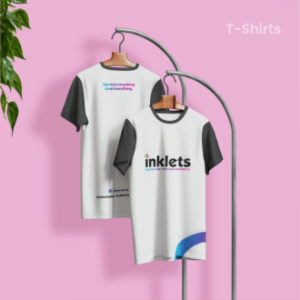
One of the biggest advantages of screen printing is durability. The ink penetrates the fabric in a way that makes it long-lasting, even with frequent use. For staff uniforms, promotional shirts, school wear, or branded merchandise meant to be worn repeatedly, this durability is a major plus. It ensures that your brand looks good not just on day one, but weeks and months later.
Screen printing also shines when it comes to quantity. While the initial setup requires some preparation, once that’s done, producing multiple items becomes efficient and cost-effective. This makes it an excellent option for medium to large print runs. Whether it’s merchandise for an event, uniforms for a team, or campaign shirts for a brand activation, screen printing allows you to scale without losing quality.
Another reason brands love screen printing is how bold the colours appear on fabric. Because the ink is applied in layers, colours often look richer and more vibrant compared to other methods. This makes logos stand out clearly, especially on darker fabrics. It’s a great choice when brand visibility matters and you want designs that catch attention from a distance.
At Inklets, we’re very particular about the details that make screen printing work well. Ink thickness, colour accuracy, alignment, and placement all matter. A small shift or inconsistency can change how a design looks on fabric, so we take our time to get it right. When done properly, a screen-printed piece doesn’t just look good — it feels professional.
A well-printed shirt also does more than sit in a wardrobe. It moves. It goes to events, offices, schools, and public spaces. It becomes a walking representation of your brand. That’s why quality matters so much with screen printing — because people are literally wearing your brand.
A Real-Life Inklets Moment
We’ve seen this play out many times at Inklets. One common example is when a client comes in needing shirts for an event or team activity. Often, they’ve tried faster printing methods in the past, only to realise the designs didn’t last beyond a few washes. When we switch them to screen printing, the difference is immediate — the colours hold, the fabric feels right, and the prints still look good long after the event is over.
We’ve also worked with schools and organisations that need uniforms or branded apparel to last through an entire term or year. Screen printing gives them peace of mind. They’re not constantly replacing items or worrying about faded logos. Everything stays consistent, clean, and professional.
These are the kinds of moments where screen printing really proves its value. It’s not about trends or shortcuts — it’s about choosing a method that matches how the item will actually be used.
Final Thoughts
With all that said, screen printing does have its limits. It works best on fabric and flat textile surfaces. As brands grow, their printing needs often expand beyond clothing. They start looking at branded gift items, signage, packaging, and display materials. When that happens, screen printing naturally gives way to a more versatile solution.
And that’s where the next stage in the printing journey begins — UV printing.
To place an order for a print or branded item done by screen printing, head over to www.inklets.com.ng to browse our collection and place and order. Or you could send us a DM on Instagram @inklets_ng, or chat us on WhatsApp.


There are 2 comments
[…] you hear terms like digital printing or UV printing, laser, screen or even offset printing, it can feel a little overwhelming. Don’t worry, we get it too. We […]
[…] Screen Printing: Durability on Fabric and Promotional […]